AI-GENERATED VIDEO

REFERENCE IMAGE
Monday 5th October 2026

NEWS: Should we be worried about AI?

Like many photographers, I've felt both intrigued and a little worried by the advent of AI. Many believe that this emerging technology may eventually replace traditional photography but what is the reality? Is AI a good or a bad thing for photographers?

Of course there is no simple answer. Certainly AI does pose a risk to photographers who rely on generic stock photography to make a living. A lot of lower end work will be lost to clients who, instead of purchasing a stock image, will simply fire up ChatGPT and generate something that's 'good enough'. But for niche-market images that rely on authenticity - divers exploring underwater using specific equipment and procedures, for example - AI still has a long way to go. We're still at that point where AI generated images look or feel fake (the so-called 'uncanny valley') and often give themselves away through silly visual mistakes. But with every iteration, the technology continues to improve. And that's where the risk to photographers becomes more real.

But AI does bring with it some genuine benefits for photographers. Companies like Adobe have been leading the way on using AI to enhance the editing workflow. AI isn't just about creating artificial images - it can also enhance the process of editing real images. Processes like noise reduction and image sharpening have really benefited from AI technology in recent years and I've used both within my own workflow. Having a tool that 'understands' the image that it is processing really helps to fine tune how a particular effect is applied.

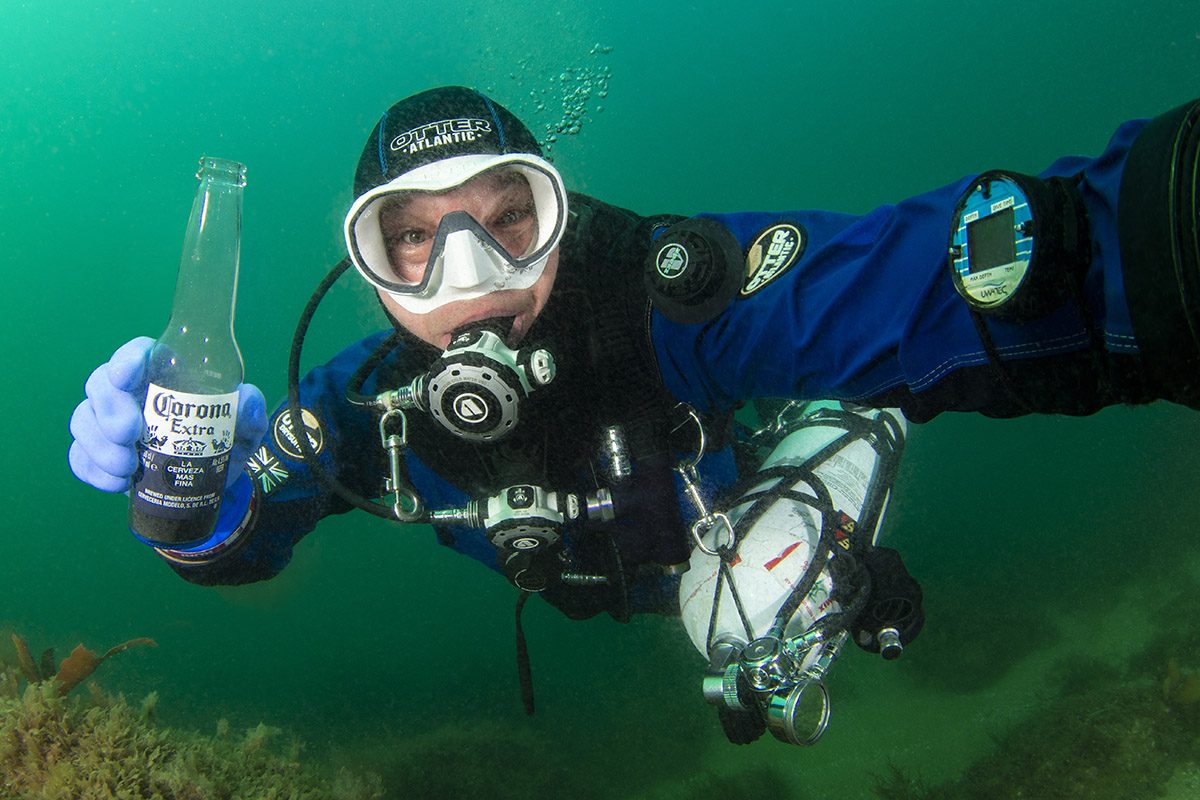
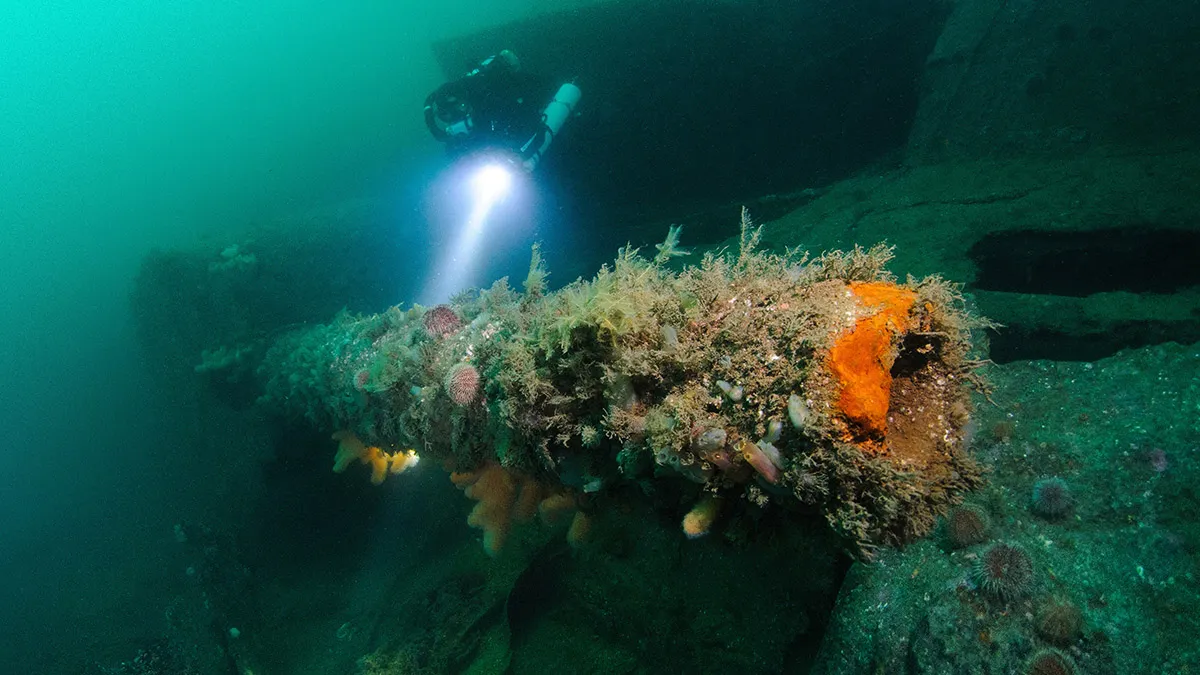
The latest release of Adobe's Lightroom introduced an interesting new feature which does concern me a little. Opposite you'll see a 6-second video which Lightroom generated from a photo I captured in Scapa Flow. This video took just 2-minutes to generate and is scarily realistic. But who owns the copyright on this video? The photographer who shot the original reference image or the person who generated the AI video? Technically it's a 'derived work' and I suspect it's only a matter of time before this legal assumption is tested in court. We live in interesting times...
Keep up with the latest news and updates from BARDOPhotographic. Here you'll find all the 'behind the scenes' stuff that lifts the curtain on my life as a professional photographer and dive industry marketing creative.
BARDOPHOTOGRAPHIC
AI-GENERATED VIDEO

REFERENCE IMAGE
Monday 5th October 2026

NEWS: Should we be worried about AI?

Like many photographers, I've felt both intrigued and a little worried by the advent of AI. Many believe that this emerging technology may eventually replace traditional photography but what is the reality? Is AI a good or a bad thing for photographers?

Of course there is no simple answer. Certainly AI does pose a risk to photographers who rely on generic stock photography to make a living. A lot of lower end work will be lost to clients who, instead of purchasing a stock image, will simply fire up ChatGPT and generate something that's 'good enough'. But for niche-market images that rely on authenticity - divers exploring underwater using specific equipment and procedures, for example - AI still has a long way to go. We're still at that point where AI generated images look or feel fake (the so-called 'uncanny valley') and often give themselves away through silly visual mistakes. But with every iteration, the technology continues to improve. And that's where the risk to photographers becomes more real.

But AI does bring with it some genuine benefits for photographers. Companies like Adobe have been leading the way on using AI to enhance the editing workflow. AI isn't just about creating artificial images - it can also enhance the process of editing real images. Processes like noise reduction and image sharpening have really benefited from AI technology in recent years and I've used both within my own workflow. Having a tool that 'understands' the image that it is processing really helps to fine tune how a particular effect is applied.

The latest release of Adobe's Lightroom introduced an interesting new feature which does concern me a little. Opposite you'll see a 6-second video which Lightroom generated from a photo I captured in Scapa Flow. This video took just 2-minutes to generate and is scarily realistic. But who owns the copyright on this video? The photographer who shot the original reference image or the person who generated the AI video? Technically it's a 'derived work' and I suspect it's only a matter of time before this legal assumption is tested in court. We live in interesting times...
All content © Jason Brown 2010-2026
No content may be reproduced without express written permission.